Introduction
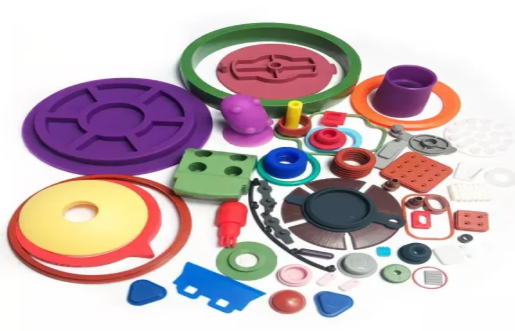
Silicone is widely used across industries because of its flexibility, temperature resistance, and ability to meet different product requirements. From automotive components and household products to medical devices and industrial equipment, silicone parts play an important role in product performance and reliability.
However, producing high-quality silicone components requires more than selecting the right raw material. Product design, material formulation, mold development, and manufacturing processes all influence the final result. This is why working with an experienced silicone parts manufacturer is an important decision for businesses that need consistent and application-specific components.
Whether a company requires small precision components or large production quantities, custom silicone parts provide the flexibility to meet unique technical and commercial requirements.
Why Custom Silicone Parts Are Important for Different Industries
Standard silicone components are useful for general applications, but many products require specific dimensions, shapes, hardness levels, and performance characteristics. Custom manufacturing allows businesses to develop components that match their exact product designs.
1. Designed for Specific Applications
Every industry has different manufacturing requirements. Automotive companies may need silicone seals and protective covers, while medical equipment manufacturers may require specialized silicone components with carefully controlled material properties.Custom silicone parts can be developed according to technical drawings, product samples, and application requirements. This helps manufacturers achieve the required dimensions and functional characteristics.
2. Flexible Material Selection
Silicone materials are available in different grades and formulations. Depending on the application, manufacturers can select materials with specific hardness, elasticity, transparency, and temperature resistance.
For example, liquid silicone rubber (LSR) is suitable for producing detailed components with complex geometries. High-consistency rubber (HCR) is another option used in various industrial and consumer applications.
Choosing the correct material helps ensure that the finished component performs as expected.
3. Consistent Product Quality
In mass production, maintaining consistency is essential. Even small differences in dimensions or material properties can affect how a component fits or functions.
Professional manufacturers use controlled production processes and inspection procedures to reduce variations between production batches. This is particularly important for businesses that require repeat orders and long-term manufacturing partnerships.
What to Look for in a Professional Silicone Parts Manufacturer
Selecting the right manufacturing partner can influence product development, production costs, and delivery schedules. Businesses should evaluate several important factors before choosing a supplier.
1. Manufacturing Experience and Technical Knowledge
An experienced silicone parts manufacturer understands the challenges associated with silicone processing, mold design, and material selection.
The manufacturer should be able to evaluate product drawings, recommend suitable materials, and identify potential design issues before production begins.
Technical knowledge is especially valuable when developing components with thin walls, complex structures, precise tolerances, or multiple functional features.
2. Advanced Molding Capabilities
Different silicone products require different manufacturing methods. Common processes include compression molding, liquid silicone rubber injection molding, and transfer molding.
A capable manufacturer should understand which process is most appropriate for the component’s design and production volume.
For example, LSR injection molding is often selected for high-volume production involving intricate geometries and consistent dimensions. Compression molding may be suitable for certain larger or simpler silicone components.
3. Quality Control Procedures
Quality control should be integrated into every manufacturing stage, from incoming material inspection to final product evaluation.
Important inspection activities may include:
- Dimensional measurements and tolerance checks.
- Visual inspection for surface defects.
- Hardness testing.
- Material verification.
- Product performance testing when required.
- Batch inspection and production documentation.
These procedures help manufacturers maintain consistent results and address potential problems before products reach customers.
Popular Applications of Custom Silicone Parts
Silicone components are used in numerous industries because manufacturers can produce them in different shapes, sizes, and material formulations.
Automotive Industry
Automotive applications include silicone gaskets, sealing rings, protective covers, vibration-damping components, and specialized connectors.
These parts may need to withstand temperature changes, mechanical stress, and environmental exposure. Custom manufacturing helps automotive companies obtain components that match their engineering specifications.
Medical and Healthcare Equipment
Medical equipment manufacturers use specialized silicone components in tubing, seals, valves, membranes, and other device-related applications.
Material selection and manufacturing controls are particularly important in this sector. Depending on the intended use, manufacturers may need to meet specific biocompatibility, cleanliness, and regulatory requirements.
Businesses should verify the manufacturer’s certifications and testing capabilities rather than assuming that every silicone material is suitable for medical applications.
Electronics and Electrical Products
Silicone is also used in electronic equipment for insulation, sealing, cushioning, and environmental protection.
Custom silicone keypads, protective covers, grommets, and sealing components help manufacturers address different product design requirements.
Household and Consumer Products
Many everyday products contain silicone components, including kitchen accessories, appliance seals, wearable product parts, and protective accessories.
Custom shapes, colors, textures, and material properties allow brands to create products that match their designs and customer expectations.
The Custom Silicone Parts Manufacturing Process
Understanding the manufacturing process helps businesses communicate more effectively with suppliers and make better product development decisions.
Step 1: Product Design and Requirement Analysis
The process begins with reviewing product drawings, dimensions, application details, and performance requirements.
Customers should provide information about operating temperatures, expected mechanical loads, material preferences, and required tolerances.
If a product sample is available, it can also help the manufacturer understand the intended design.
Step 2: Material Selection
After reviewing the application, engineers recommend an appropriate silicone material.
Factors such as hardness, flexibility, color, chemical exposure, and operating conditions help determine the most suitable formulation.
The selected material should meet the functional requirements of the finished product.
Step 3: Mold Design and Development
Mold design directly affects product dimensions, surface quality, and production efficiency.
Manufacturers develop molds according to component geometry and the selected molding process. Proper mold design also helps reduce material waste and minimize production defects.
Step 4: Sample Production and Testing
Before beginning large-scale manufacturing, initial samples are produced for evaluation.
Customers can inspect dimensions, appearance, material characteristics, and product functionality. Any necessary design or process adjustments can be made at this stage.
Step 5: Mass Production and Final Inspection
Once samples are approved, the manufacturer proceeds with full production.
Quality checks are performed throughout the process to maintain consistency. Finished components are inspected, packaged, and prepared for shipment according to customer requirements.
How Custom Manufacturing Helps Reduce Production Costs
Some businesses assume that custom components are always more expensive than standard products. However, the right manufacturing approach can improve overall production efficiency.
First, components designed specifically for an application can reduce unnecessary material usage. Second, selecting the correct molding process can improve production output and reduce cycle times.
Third, accurate mold development and quality control can minimize rejected products and costly rework.
Businesses planning long-term production should also discuss tooling costs, minimum order quantities, production capacity, and future order volumes with their suppliers.
A clear understanding of these factors makes it easier to calculate the total manufacturing investment.
Questions to Ask Before Choosing a Silicone Manufacturer
Before starting a manufacturing partnership, businesses should ask suppliers several practical questions:
- What silicone materials and hardness ranges can you provide?
- Which molding processes are available in your facility?
- Can you manufacture components according to custom drawings and samples?
- What quality inspection procedures do you follow?
- Can you produce prototypes before mass production?
- What are your tooling costs and minimum order quantities?
- Can you support repeat production and customized packaging?
Clear communication at the beginning of a project helps prevent misunderstandings and supports a smoother manufacturing process.
Conclusion
Developing reliable silicone components requires the right combination of material knowledge, product engineering, mold development, and manufacturing expertise. Custom silicone parts allow businesses to create components that meet specific design requirements while supporting different industrial applications.
Choosing an experienced custom silicone parts manufacturer can make a significant difference in product consistency, production efficiency, and long-term supply reliability.
For businesses developing new products or improving existing designs, partnering with a manufacturer that offers material consultation, custom molding, sample development, and quality inspection is a practical step toward successful production. By evaluating technical capabilities and communicating project requirements clearly, companies can build manufacturing partnerships that support their products from initial design to large-scale production.