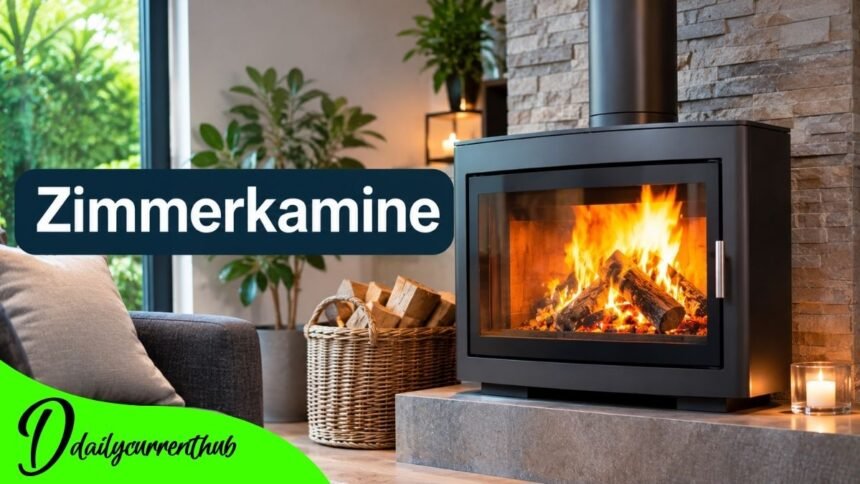
A fireplace can transform a room’s atmosphere, creating a welcoming space that blends visual appeal with warmth. In German, the word Zimmerkamine refers to domestic or indoor fireplaces. These include several types of heating and decorative appliances designed for residential settings.
Traditional wood-burning fireplaces remain familiar features in homes, while electric fireplaces, bioethanol models, and modern pellet appliances offer different approaches to indoor comfort. The best option depends on available space, installation requirements, operating costs, and intended use.
Some homeowners want a reliable source of supplementary heat. Others prefer the appearance of dancing flames without installing a chimney. Understanding these differences matters because not every fireplace produces the same heat or involves the same safety considerations.
This article explores Zimmerkamine, their main designs, heating capabilities, maintenance requirements, environmental effects, and the factors that determine whether a particular model suits a home.
What Are Zimmerkamine?
Zimmerkamine are fireplaces designed for use inside residential buildings. The expression combines the German words Zimmer, meaning room, and Kamine, meaning fireplaces.
It does not identify one manufacturer or a single heating technology. Instead, it describes a broad group of domestic fireplace products with different construction methods and operating systems.
A traditional fireplace burns fuel to generate heat, while an electric fireplace can recreate the visual appearance of flames using lighting technology. Bioethanol fireplaces produce real flames through alcohol combustion, usually without a traditional chimney.
These distinctions affect installation, everyday operation, and safety.
A fireplace that looks suitable for a living room may require professional installation, adequate combustion air, or a dedicated exhaust system. Other models may need little more than an appropriate electrical connection.
The best choice depends on whether you prioritize practical heating, a decorative atmosphere, or both.
Different Types of Zimmerkamine
Wood-Burning Zimmerkamine
Wood-burning fireplaces create heat by burning properly dried wood in a suitable combustion chamber.
Modern enclosed wood-burning stoves generally offer better combustion control than traditional open fireplaces. Glass-fronted designs also allow occupants to see the flames while keeping the combustion chamber enclosed.
A wood-burning appliance requires appropriate flue arrangements, safe clearances from combustible materials, and regular maintenance.
The quality of the firewood matters. Wet wood produces less useful heat and can increase smoke, particulate emissions, and deposits inside the flue.
Wood-burning Zimmerkamine are most appropriate where an approved installation is possible, and the homeowner accepts responsibility for storing fuel, cleaning the appliance, and maintaining the chimney.
Electric Zimmerkamine
Electric fireplaces are a popular option for households that want a fireplace appearance without burning fuel indoors.
Many use LED lighting and visual effects to imitate flames. Some incorporate electric heating elements, allowing the decorative display and heating function to operate independently.
Because they don’t burn fuel, electric fireplaces don’t produce combustion exhaust inside the room.
Wall-mounted, freestanding, and built-in designs offer flexibility for different interiors.
However, electric heating still consumes energy. The cost depends on the appliance’s power rating, local electricity tariffs, and hours of use.
When choosing an electric model, buyers should distinguish between decorative flame-only units and appliances with a genuine heating function.
Bioethanol Zimmerkamine
Bioethanol fireplaces create real flames by burning ethanol-based liquid fuel.
Their appeal often comes from the absence of a conventional chimney connection and the availability of contemporary designs.
Unlike electric fireplaces, ethanol appliances involve actual combustion.
Burning ethanol releases carbon dioxide and water vapor, and research shows ethanol fireplaces can also release other indoor air pollutants.
Consequently, a chimney-free fireplace should never be described as emission-free or automatically safe for poorly ventilated rooms.
The appliance must be operated according to the manufacturer’s instructions, with particular care when handling fuel. Refilling a burner that is still burning or hot creates a serious fire hazard.
Pellet and Gas Fireplaces
Pellet fireplaces burn compressed wood pellets and often use electronically controlled fuel delivery and combustion systems.
These controls can support more consistent operation than manually fed wood appliances, although pellets still produce emissions and require suitable exhaust arrangements.
Gas fireplaces provide another option, using natural gas or another approved gaseous fuel.
Their installation and ventilation needs depend on the appliance design. Gas installations should be handled by appropriately qualified professionals.
Both categories can provide substantial room heating, but their suitability depends on infrastructure, fuel availability, and applicable safety standards.
How Do Zimmerkamine Work?
Zimmerkamine operate based on how the appliance generates its flame effect or heat.
Combustion-Based Fireplaces
Wood, pellets, gas, and ethanol release energy through combustion.
The resulting heat reaches the room through radiation, convection, or both. Some appliances use fans to distribute warm air more quickly.
Combustion also creates gases and other products that must be managed safely.
Wood and pellet systems normally require a suitable chimney or flue, while certain ethanol products release combustion products directly into the room.
Electric Flame Technology
Electric fireplaces operate differently.
They produce visual effects electronically rather than by burning fuel. Models equipped with heating elements convert electrical energy into heat.
Some decorative fireplaces use illuminated water vapor to create a flame-like appearance. These designs should not be confused with appliances that generate actual fire.
Understanding the technology helps buyers avoid expecting heating performance from a primarily decorative product.
Installation and Room Requirements
Choosing a Suitable Location
The installation location influences both fireplace performance and household safety.
A fireplace should not obstruct doorways, create unnecessary trip hazards, or expose nearby furniture and curtains to excessive heat.
Wall-mounted and built-in appliances must be supported and installed according to the manufacturer’s instructions.
For combustion appliances, suitable ventilation and exhaust arrangements are essential.
Before installing a wood-burning fireplace in Germany, homeowners should consult the responsible chimney sweep, known as a Schornsteinfeger. New installations require appropriate inspection and approval.
Room Size and Heating Capacity
A fireplace should match the space’s heating needs.
An oversized appliance may overheat a small room, while an undersized unit may provide insufficient warmth.
Fireplace heat output is commonly expressed in kilowatts (kW).
Selecting the right capacity requires considering room dimensions, insulation, ventilation, and the building’s existing heating system.
A qualified installer can help assess the appropriate output rather than relying on floor area alone.
Safety and Maintenance of Zimmerkamine
Fire Prevention and Ventilation
Fire safety is essential for every fireplace type.
Combustible materials must be kept outside the clearances specified by the manufacturer. Children and pets should be protected from hot surfaces and accessible flames.
Wood and gas appliances also require attention to combustion gases, including carbon monoxide.
Suitable carbon monoxide alarms provide an additional layer of protection where combustion appliances present a risk, but they do not replace proper installation and maintenance.
Ethanol fireplaces require particular care with ventilation, fuel storage, and refilling procedures.
Cleaning and Regular Inspection
Maintenance requirements vary considerably.
Wood-burning fireplaces need ash removal, periodic inspection, and chimney maintenance.
Pellet appliances may require cleaning combustion components and servicing mechanical systems.
Electric fireplaces generally need less intensive maintenance, although electrical components, vents, and heating elements must remain in good condition.
Never clean or service an appliance while it is operating or still dangerously hot.
Heating Efficiency and Operating Costs
Comparing Zimmerkamine requires more than looking at the purchase price.
Initial installation can be a significant expense for wood-burning and gas appliances, particularly when a new flue or chimney is needed.
Electric fireplaces are often simpler to install, but electrical resistance heating can be expensive when used continuously.
Bioethanol appliances require regular fuel purchases and are generally better treated as decorative fire features than replacements for a primary heating system.
For a meaningful cost comparison, homeowners should consider fuel prices, heat output, efficiency, expected usage, servicing, and installation expenses.
Understanding Long-Term Value
A low purchase price does not automatically indicate low lifetime costs.
A fireplace used occasionally for atmosphere has different requirements from one used daily for supplementary heating.
Durable construction, spare-part availability, appropriate safety certification, and dependable manufacturer support are also important considerations.
The most valuable fireplace serves its intended function safely and reliably.
Zimmerkamine and Modern Interior Design
Matching the Fireplace to the Room
A fireplace can become a distinctive architectural feature.
Minimalist electric fireplaces often complement contemporary interiors with clean lines and neutral colors.
Traditional wood-burning stoves may suit rustic environments, while built-in fireplace designs can integrate with modern living-room furniture.
Material choices also influence appearance. Stone, ceramic, steel, and heat-resistant glass are commonly used in fireplace construction or surrounding installations.
However, decorative materials must suit the temperatures and clearances involved.
Balancing Appearance and Practicality
Visual appeal should never take priority over safe operation.
A fashionable fireplace positioned too close to furniture can create unnecessary hazards.
Similarly, a visually impressive appliance may be unsuitable for a small room if its heat output is excessive.
Thoughtful placement considers appearance, accessibility, airflow, maintenance space, and everyday household activity.
Environmental Impact of Zimmerkamine
Wood Smoke and Air Pollution
Burning wood produces particulate matter and other pollutants.
Modern emissions controls and correct operation can reduce pollution, but they do not eliminate it.
Germany regulates emissions from many residential solid-fuel appliances through the First Federal Immission Control Ordinance, commonly called the 1. BImSchV.
For many older wood-burning room heaters covered by the relevant transitional rules, the final compliance deadline was December 31, 2024.
Owners of older appliances should confirm the rules that apply to their specific installation.
Electric and Bioethanol Alternatives
Electric fireplaces produce no on-site combustion emissions. Their wider environmental impact depends on how electricity is generated and used.
Bioethanol may be derived from renewable feedstocks, but this does not make indoor ethanol combustion pollution-free.
A responsible environmental comparison therefore considers both the appliance’s operating technology and its energy source.
Common Misconceptions About Zimmerkamine
One common misconception is that every indoor fireplace requires a chimney. Electric models do not, while different combustion technologies have different exhaust requirements.
Another misconception is that a chimney-free ethanol fireplace produces no pollutants. Scientific investigations have demonstrated that ethanol combustion can affect indoor air quality.
Some buyers also assume that a fireplace with realistic flames will provide substantial heating. Decorative electric flame effects may produce little or no heat.
Finally, not every fireplace is suitable for use as a primary heating system. Many residential fireplaces are designed to supplement an existing heating arrangement.
Recognizing these differences helps you make informed purchasing decisions.
The Future of Zimmerkamine
Contemporary fireplace development includes improved combustion controls, more sophisticated electric flame effects, and designs meant to integrate into modern interiors.
Some product categories already include automatic fuel management, electronic controls, and programmable heating functions.
Environmental standards are also important in fireplace development. Manufacturers of combustion appliances must consider applicable emissions requirements, while buyers increasingly have reasons to evaluate both energy consumption and air quality.
Future purchasing decisions are likely to remain shaped by the same essential questions: how safely a fireplace operates, how efficiently it delivers heat, and how well it fits the building.
Conclusion
Zimmerkamine represent a varied category of domestic fireplaces that combine heating technology with interior design.
Their differences are significant. Wood-burning fireplaces provide traditional flames and room heating but require approved installation, suitable fuel, and regular maintenance. Electric fireplaces offer flexible decorative options without indoor combustion, while bioethanol appliances produce real flames but still require ventilation and fuel-handling responsibilities.
Pellet and gas systems offer additional options, each with its own infrastructure and operating requirements.
Choosing the right fireplace means looking beyond appearance. Heating demand, available space, installation costs, operating expenses, emissions, and safety should all influence the decision.
A well-selected Zimmerkamin can improve a home’s comfort and appearance, provided its technology suits the location and it is used responsibly.
Ultimately, the best fireplace is not necessarily the most elaborate or powerful model. It is the appliance that meets practical requirements while protecting indoor air quality, household safety, and long-term value.
(FAQs)
1. What does Zimmerkamine mean in English?
Zimmerkamine is a German term meaning domestic or indoor fireplaces. It refers to residential fireplace appliances, not a specific brand or model.
2. Are Zimmerkamine suitable for small apartments?
Some electric fireplaces may suit apartments because they don’t require a chimney. Suitability still depends on available space, electrical requirements, and building restrictions.
3. Do all Zimmerkamine require a chimney?
No. Electric models do not need combustion exhaust systems. Wood, pellet, and many gas fireplaces require appropriately designed exhaust arrangements.
4. Can electric Zimmerkamine heat a room?
Yes, electric fireplaces with built-in heating elements can provide room heat. Decorative models without heating elements cannot serve as space heaters.
5. Are bioethanol fireplaces safe indoors?
They introduce flame, fuel-handling, and indoor air-quality risks. Safe use requires a suitable appliance, adequate ventilation, and strict adherence to the manufacturer’s instructions.
6. How often should a wood-burning Zimmerkamin be serviced?
Servicing depends on the appliance and local requirements. Regular professional inspection, chimney maintenance, and checks before the heating season are recommended.
7. Which Zimmerkamine are easiest to maintain?
Electric fireplaces generally require less routine maintenance because they do not produce ash or combustion deposits.
8. What should buyers check before purchasing Zimmerkamine?
Buyers should assess heating capacity, installation requirements, safety features, energy costs, emissions, maintenance needs, and suitability for the intended room.