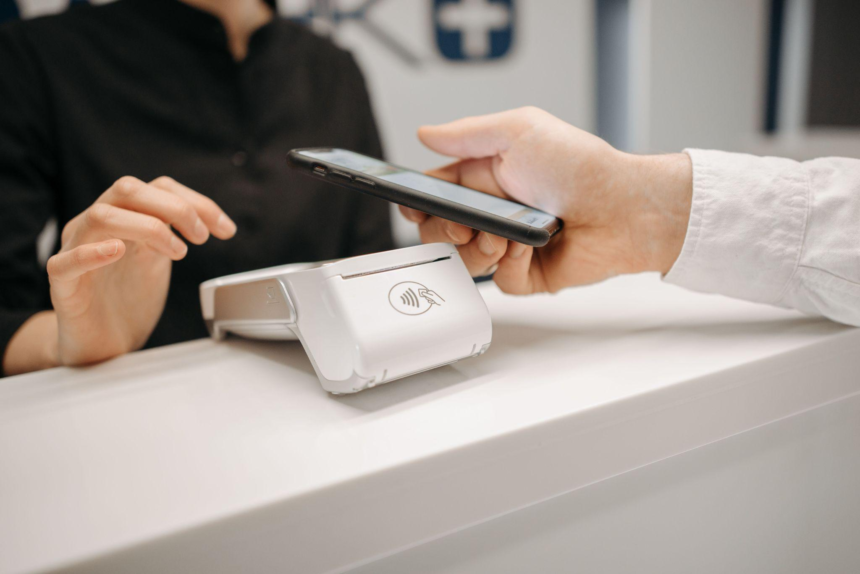
It’s a horrible little moment. You tap the card machine; it refuses to connect, and something in your chest tightens. Make it a Saturday afternoon, with the queue getting longer and the support line just ringing out, and it gets a lot worse. Lots of UK businesses don’t have to imagine this. It happens again and again, usually because their provider sees customer support as a job for another day.
Fees and contract terms tend to decide which card machine provider people go with. Fair enough, to a point. But you only really find out what a provider is like when something stops working, and whether anyone’s there to help can turn a five-minute fix into a whole day of lost trading.
The Costs of Poor Customer Support
The money starts going the second a card machine fails with no support to call on. Every minute it’s down is a sale that doesn’t happen. Customers aren’t going to stand around while your staff dig through a troubleshooting guide, either.
Trust takes a knock too. If someone’s card gets declined, or their payment fails, more than once, they may quietly take their business elsewhere.
Your team feels it as well, probably more than anyone. Being left to sort out payment problems alone, with no expert on the other end, is stressful at the best of times and a lot worse when it’s busy. That pressure can chip away at morale and pull down the service you give across the board. And problems that never get fixed don’t just sit there. They can become compliance and security risks, leaving you exposed to fraud or regulatory trouble if they drag on too long. Neither of those is cheap. Neither is quick to sort out.
Common Card Machine Issues Without Support
Technical glitches are some of the most frustrating. They turn up out of nowhere and can stop payments going through entirely.
Integration problems are common too, particularly when your card machine is linked to a point-of-sale system or an e-commerce platform. If the systems stop talking to each other, everything can come to a standstill until someone who actually understands the setup gets involved.
Security brings its own trouble. Fraud detection systems sometimes flag transactions that are completely genuine, and your staff end up stuck, unsure whether to carry on or decline. Without a fast answer from a support team that knows the system, it’s one of two bad outcomes: you turn away a real customer, or you leave the door open to fraud. Not a decision anyone wants to make on the spot with a queue watching.
Then you’ve got billing discrepancies and reconciliation issues. These often need detailed knowledge of that particular provider before anyone can work out what’s gone wrong.
What to Look for in a Provider
So support quality should be close to the top of your list when you’re comparing payment partners. Among the best card machine providers UK businesses can choose from, the strongest ones offer genuine round-the-clock availability, not a helpline that rings forever after six o’clock. It helps if there’s more than one way to reach them as well. Phone, email, live chat. That way you can go with whatever suits how urgent things are.
Response time guarantees matter as much as availability does. When a provider commits to sorting urgent problems within a set time, and has clear escalation steps to back that up, you can be reasonably sure issues won’t be left hanging.
Then there’s who you actually get on the phone. Payment processing is a specialised field, and general customer service training only goes so far when you need answers about a specific piece of kit or a software integration.
The better providers also don’t sit back waiting for things to fail. Proactive monitoring and automated alerts can pick up potential problems before they get in the way of trading, which gives you a head start on fixing them rather than rushing around afterwards.
Choosing a Provider You Can Rely On
Downtime on a card machine is a bigger deal than it sounds. Your revenue, your reputation, and your staff’s wellbeing all take the hit. Before you sign with a payment provider, ask them straight out about support hours, response times, and how much the people on the helpline really know. How they answer will usually tell you more about their long-term reliability than any headline price ever will.